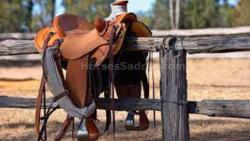
Horse Saddle
- New York, NY, USA
- https://horsessaddle.com/product-category/horse-saddle/
Horses make great pets, but you'll need to do some work to make sure your horse is happy. You'll want to walk your horse regularly, groom him regularly and feed him healthy food. But one of the most important things you can do for your horse is get him fitted properly with a horse saddle and it's not as difficult as it seems! In this article, we'll walk through how to fit a saddle on a horse so that both of you are comfortable and safe in the outdoors together.
Clean the saddle and tack.
- Remove the saddle from its tack box.
- Clean the saddle with a wet sponge or cloth, and then dry it thoroughly. If you're using a saddle soap, clean both sides of the pad; if not, only one.
- Put your horse in his stall so that he's facing toward you as you do this next step (if you have more than one horse, make sure they're all facing forward). You'll be working on each side at once—the saddle will be hanging off his backside as you work on them both together by alternating between each side for about 10 minutes each time until they're all clean!
- If necessary (for example if there are any dirt stains), use soap to remove those areas before putting back on again once they've been washed off completely.*
Check for a level saddle.
You should check the saddle for a level position. The saddle should be level with the top of your horse's back, and it shouldn't be tilted too far forward or backward.
A saddle that's too high will cause problems with your horse's posture, making it hard for him to balance correctly. If the saddle is too low, he'll be uncomfortable and may develop sore muscles over time.
When it comes to a saddle's fit, there are many things you can do. One way is by having your horse's measurements taken. If possible, have a professional measure him so that the right size can be chosen for his body type and build.
Adjust the stirrups to the right length.
You can use a tape measure to determine the right length for your horse. Make sure that the stirrup leathers are even on both sides, and then position them in the correct place. If you're unsure about how far forward or back to put your saddle, think about what kind of riding style you want to encourage with this particular saddle.
If you have any questions about fitting a saddle correctly, ask an experienced equine professional who knows more than just putting one on!
If you're looking for a new saddle, check out our selection at Sidelines for the best in equestrian supplies.
Put on the saddle pad.
- Place the saddle pad over the horse.
- Make sure that it is positioned so that it is comfortable for your horse, especially if you're using a new or different type of saddle pad than what they've been used to.
- Tuck in any excess strap at each side of your horse's back and under their belly, if necessary. This will help keep them from slipping out of place when they are not wearing their usual tack (like during training).
- Make sure that your horse's back stays straight while sitting down on this new piece of equipment!
Your horse should be able to rest their weight on the saddle pad without it being too tight or too loose. If your horse is shifting around or trying to move while you are sitting on top of them, then they will probably not enjoy the experience. Tighten up any straps that might need tightening and loosen those that are too tight before continuing with this process.
Place the saddle on the horse's back.
Now that you have your saddle and horse together, it's time to get started. Before you begin, make sure that the cinch is tight enough so that your horse won't slip out of it when he runs around. You don't want him to stumble into something or trip over an obstacle because his foot was caught in between two pieces of leather! Also, make sure all four parts of the saddle are level with each other (they should be straight up and down). If one side is higher than another by even a few inches, then this could cause serious problems for both rider and animal later on down their journey together; so make sure everything is set at exactly right before moving onto step 2 below!
Once again: make sure those stirrups are where they need to go first—you don't want anything else happening while riding around during these next few steps either!
Once you've got all of your equipment set up and ready to go, it's time to get started. First off, make sure that the cinch is tight enough so that your horse won't slip out of it when he runs around. You don't want him to stumble into something or trip over an obstacle because his foot was caught in between two pieces of leather! Also, make sure all four parts of the saddle are level with each other (they should be straight up and down).
Adjust the girth.
The girth is the strap that goes around your horse's belly. It should be tight enough to hold the saddle in place, but not too tight. If you have a nice-fitting saddle, it will not take much adjustment on your part to get it adjusted correctly. You may need some help from another person if you're not comfortable doing this yourself (or if there aren't any other choices).
If you're new to riding, or if your horse is a new addition to your stable, it's important to take the time to get things right. If you've been riding for years and are now buying or trying on a new saddle, don't assume that it will fit; get an expert opinionA saddle that is too large will shift around, making it uncomfortable for your horse and unbalanced. It can also cause sores and other physical problems for your animal. You should be able to see a space between the pommel (the front part of the saddle) and their back when you mount them..
A good fit is important for both you and your horse. If the saddle doesn't fit properly, it can cause pain and discomfort in your horse's back. This could result in injury or lameness, which would be detrimental to his health and well-being. You'll also experience discomfort if the saddle doesn't fit—and a bad ride can make both horse and rider unhappy!
Your horse will thank you when you learn to fit his saddle correctly.
Your horse will thank you when you learn to fit his saddle correctly. A good fit can make a world of difference in your horse's comfort and enjoyment, as well as your own!
Your horse will be more comfortable, which means he'll be able to relax and enjoy himself during rides. You'll have a better ride because the saddle fits properly—and that means less strain on both rider and mount. You'll have more fun!
A proper fitting saddle will also help prevent injury. If your horse's saddle doesn't fit, it can cause pain and discomfort for both of you when you ride. So how do you know if the saddle fits? There are a few simple tests that can help determine whether your horse's saddle is properly fitted.
Conclusion
A saddle is a very important piece of equine equipment. It is one of the most important parts of your horse’s health and welfare.
The main purpose of a saddle is to protect the sensitive areas around its withers and hips from injury, but also to provide balance and comfort for your horse. With this in mind, you should always try out several saddles until you find one that suits both maneater and rider alike!